Tuesday, 22 February 2022

Landing Page Practices To Land A Million Views


Landing page best practices aim to convert website visitors into leads and collect their contact information on a form.

A homepage with a form on it cannot be counted as a landing page as it serves other purposes as well.

We’ve all clicked through ads that look interesting or when we need some information. But have abandoned those pages when it seems too confusing and didn’t contain necessary information.
Landing Page Insights

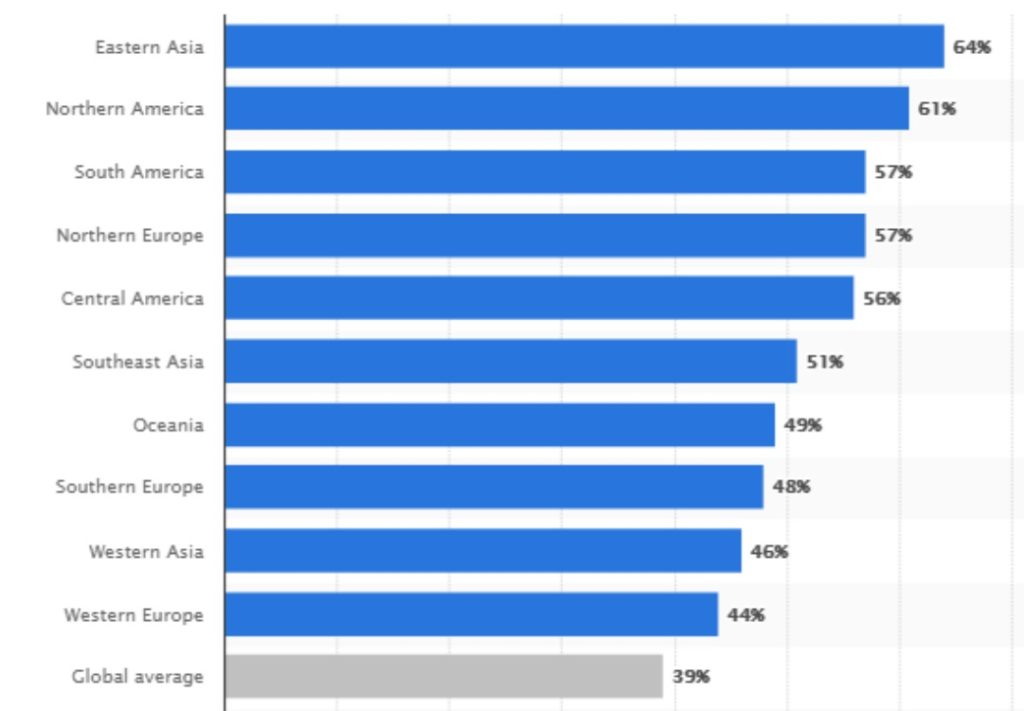
Mobile Social Media Penetration

Landing pages would ideally have a form for visitors to fill in. Avoid having long forms. Fewer form fields equate to higher conversion rates.

It’s possible that the use of various colors, designs, adjectives, or action-verbs for CTA’s could drive more conversions for your landing page.

Have social sharing icons as it adds social proof and yields better converting landing pages.

Below find valid points for better landing pages that trigger higher conversions.

1. Align your landing page best practices with your goal

Landing pages are harder to create in comparison to ads, so ideally you should be working backwards. While setting up a landing page, keep your priorities in sight. What kind of traffic are you aiming to drive to your page while having an ad  campaign? Keep your goal always within reach.

Make sure the language on your landing pages reverberates with what’s in the ads or vice-versa. If your ad promises, “50% off on some products” then ensure your landing page elucidates how to avail the given discount.
Landing Page on mobiles

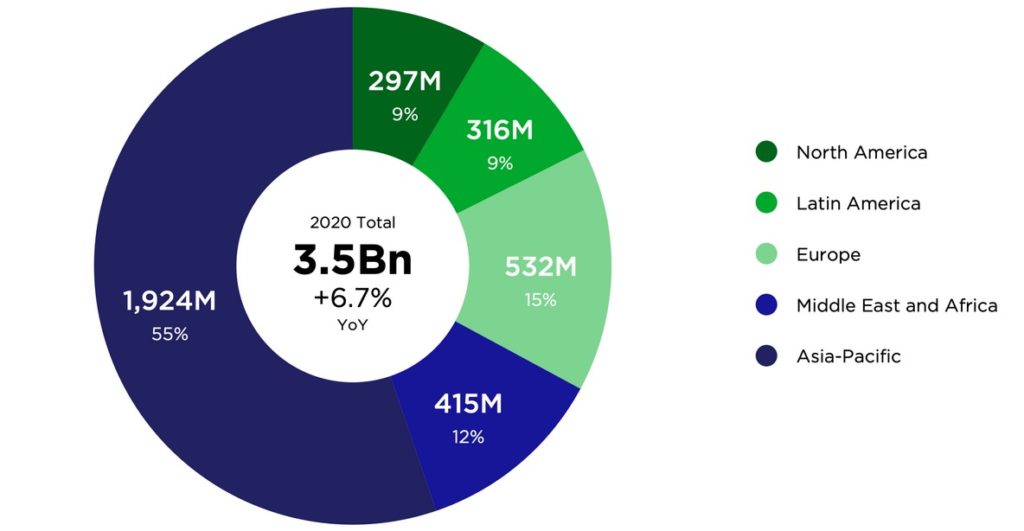
Mobile Population World Over

2. Simplify your forms

Web forms on landing pages are often embroiled in the “Too long / too short syndrome.” Too long, and you risk deterring prospective customers from converting. Too short, and you may not gather enough information. Landing page forms are one of the most important part's of a landing page, but yet many advertisers err while setting them up. 

Many marketers, especially B2B software companies, ask way too much information on their landing page forms.

Of course, the company needs to know if the visitor is serious and they are not whiling away precious time. Ask for basic information and make sure your landing page form is aesthetically pleasing. Give your web form the feel on an intelligent interviewer. Make it interesting and less taxing to the user.

3. Test your copy and CTA

Brilliant landing page copywriting leads to conversions. The words on the screen begins a conversation with your web visitor. You got to be a cogent talker to convince them regarding your stuff. 

Being concise is vital for effective landing page copywriting or the audience may lose focus quickly.  

Anytime you’re writing copy for a page, keep the layout in mind. You don’t want visitors to be staring down a wall of text to scour through and find what they need. When you can, use bullet points, headers, and subheadings to drive home the point.
Landing Page Best Practices

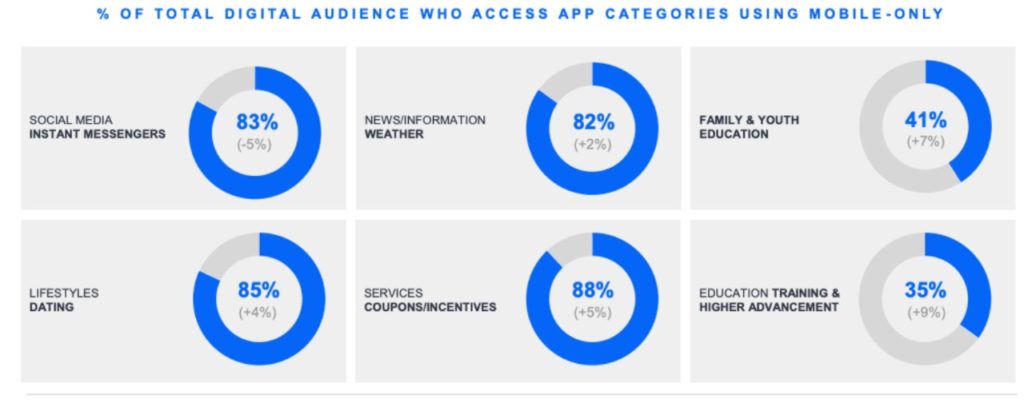
Digital Audience Accessing Apps Via Mobiles

But always, test your copy and your CTA. You just can’t be sure what  echoes with your audience.

The call-to-action is another important part on a landing page. Without a strong CTA, your prospects may hesitate to provide personal information. A strong CTA will reinforce their desire to know more about your offering and ensure they convert.

4. Keep the design direct and simple to navigate

Have you ever landed on a page and didn’t know where to look? It’s happened to many of us. You want to complete a hotel reservation and suddenly cannot locate the “Book Now” button. Instead you find lots of distractions, dropdowns, and display ads. Distractions can cost you big time.  

Ideally your landing page design should include your brand colors and the info you prefer to have on your website. Keep the forms simple and your entire page navigable. A study carried out by HubSpot regarding effective colors on a CTA button tracked 2,500 conversions. They checked the performance of two button colors. The red CTA button outperformed the green one by 20%.

Unbounce carried out a test that showed a Big Orange Button resulted in a 31% increase in conversions. Unbounce surmises that the future of web design and optimization is a Big Orange Button representing get-it-done attitude, energy, and enthusiasm.
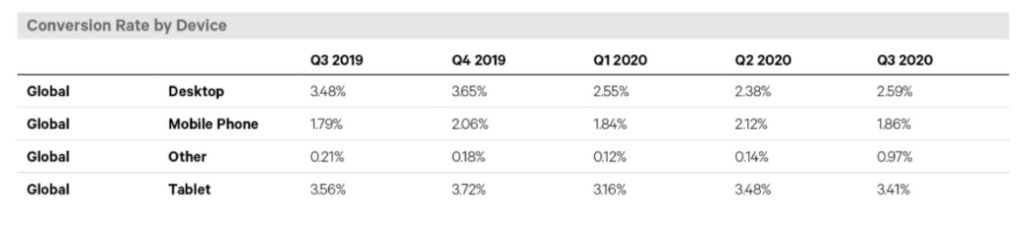
Conversion Rate By Device

5. Leverage case studies & social proof

This tip is straightforward. Landing page practices makes it imperative to leverage positives mentioned by your clients. If you are running out of compliments then put in some nice logos. Ensure permissions have been taken.

There are a few platforms you can integrate with your landing pages to ensure that the reviews are the latest such as Google My Business, Trustpilot and Yelp. Keep the reviews to the bottom most part as you don’t want viewers to lose focus mid-way.

6. Have a mobile-friendly landing page

If desktop landing pages are appetizers, then mobile landing pages are desserts. You have less time after the page loads to grab the users’ attention and persuade them to act.

Majority of internet traffic comes from mobile devices with people spending 68% of media time on smartphones. 

87% recommend a brand after a positive mobile experience. 57% won’t if the mobile website experience is lousy. Nearly half of all online shopping orders are completed via mobiles.
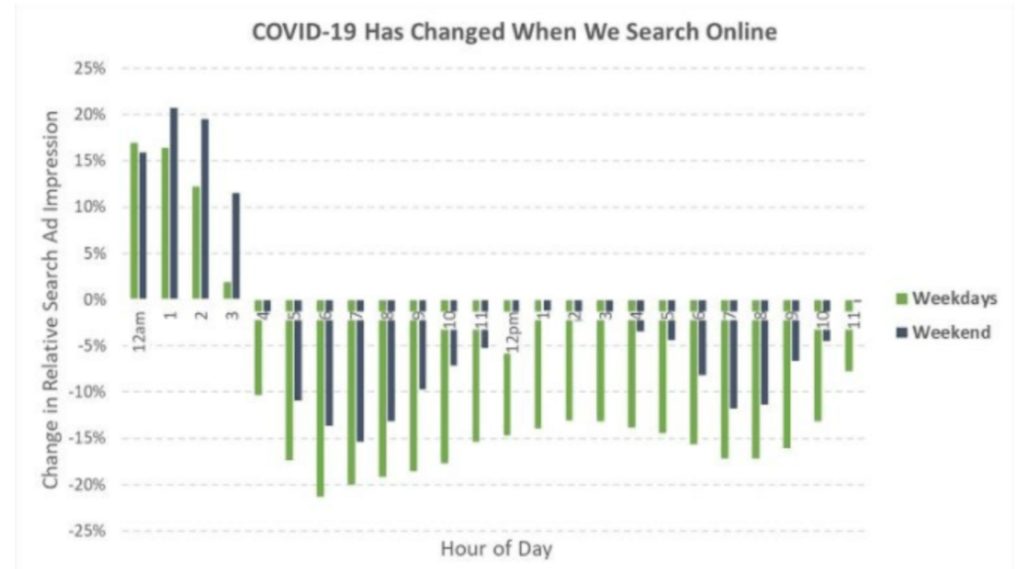
Search on the internet on a daily basis

Search On The Internet

In any marketing activity, ensure that the landing pages are mobile friendly as most folks now use mobiles extensively. Play it safe by keeping your buttons and/or forms in the center of a full-size page with a single-color background.

7. Ensure loading speed

If you’re seeing a high bounce rate on a particular page, load time could be the culprit. You can easily cut corners with a one-off landing page, but guarantee nothing on the page is too heavy or big. If your landing page doesn’t load fast enough, it can undo any SEO done for the page. 

Every business today has a website. While design, UI, UX, theme, user navigation, and content are critical elements for a good website, people miss out on loading speed.

It is important to understand that today’s buyer/customer/target audience are always online but are short on time. They access information via a desktop, laptop, tablet or smartphone and are impatient. Websites that are not optimized for mobile devices or are taking too long to load don’t stand a chance.
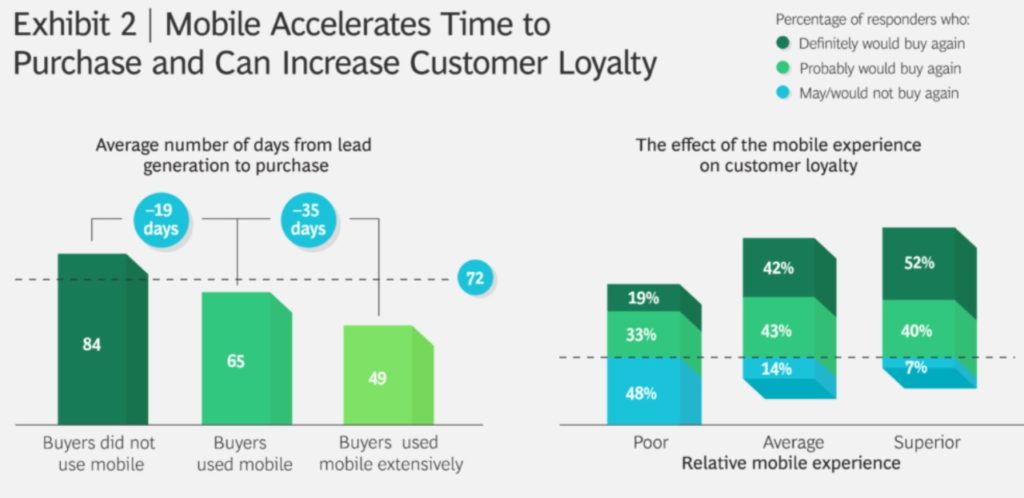
Purchase of goods via mobiles

Mobile Accelerates Purchase Time

Don’t lose clients due to a lethargic website. Faster sites reduce operating costs and improve user experience.

8. Important information: Above the fold

Just like in email marketing, when someone clicks: the important stuff need to be visible first. This is imperative for highly actionable pages.

Entities to be positioned below the fold include testimonials, case studies, client logos, terms and conditions.

9. Update your landing pages regularly

Just as in blog posts or site pages and for obvious reasons the content on your landing pages should remain up to date. If your best-performing ads begin to get laggard, the reason could be outdated landing pages.

Even a refresh of the background colors, a fresh copy, or a new CTA, could drive some traffic. It could signal Google or any ad platform that the content has been updated, is fresh and prevent fatigue.

10. Add a thank you page

Including a thank you page is a polite thing to do, it’s being professional and grateful. After someone lands on your page and completes an action, give them a confirmation that you have their information, a spot is reserved and you will soon respond. 

This can be a thank you script or a redirect to a full thank you page.
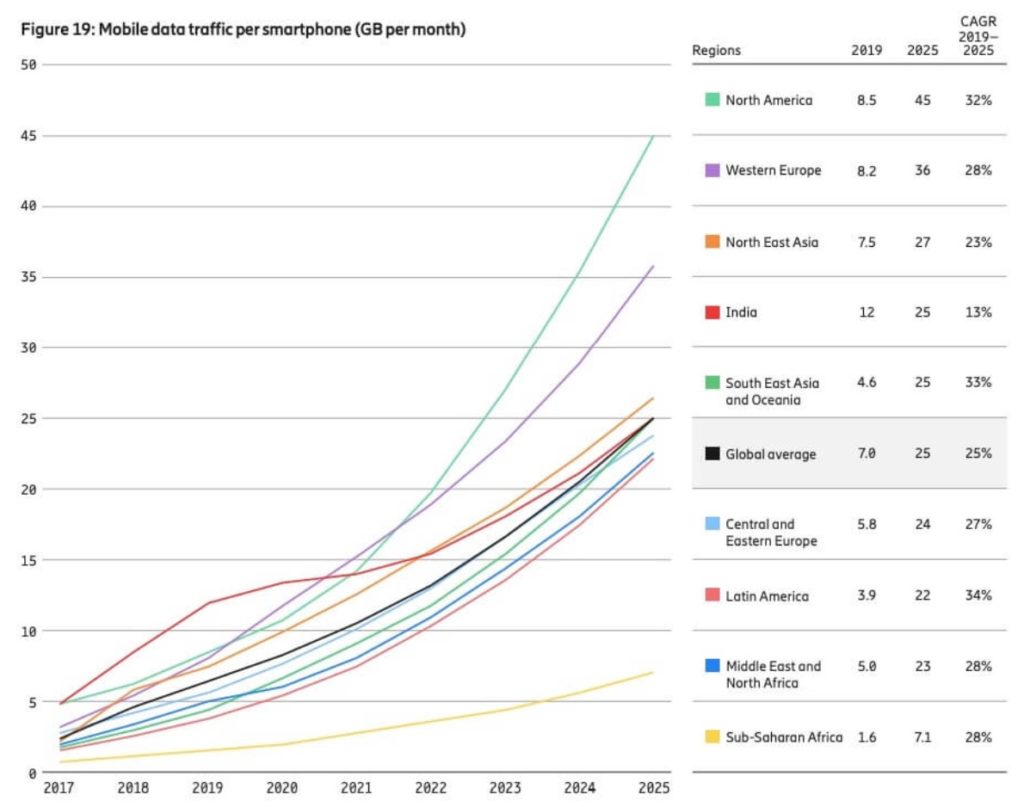
Mobile Data Traffic Per Smartphone

A visitor who has just accepted an offer is valuable. You have a lead on your hands who could become a full-fledged customer or an ardent fan. Don’t let this opportunity go begging – instead, use your thank you page to prod the user into further engagement.

Insert videos, info-graphics, blog posts or whatever a visitor will enjoy. This strategy has been employed by Amazon in their “others also purchased” or “you may also be interested in” pages following a purchase.

11. Ensure your landing page is SEO compliant

SEO on landing pages optimize them for search engines. Now these pages are appealing to the algorithms that decide whether or not a page is valuable during a search. Consider the following tips and best practices for a SEO complaint landing page:

  • Unique URL: Giving your landing page a unique URL so that people come to the right place. It can also be optimized for any particular keyword you want to rank for.
  • Apt keywords: This is vital. Research words or phrases that you want to rank for in searches. Make an in depth study and be prepared to wait for the results to show. Long-tail keywords are easier to rank for than their shorter counterparts, and produce higher ROI.
  • Title tag: This is different from your header tag, it’s the title of a page. Again, landing page solutions should have the ability to alter this (be different from your header tag), just remember to fill the field.
  • Header tag: This tag is the title of your page. Whatever the landing page headline is, shrink it for your header tag.
  • Meta description: Lot of people forget this field, this isn’t a good idea especially when it comes to landing pages. Google populates the meta below you search result. And on occasions it is seen that landing pages get a default copy. You should be telling Google what exactly you want to display in the SERP.
  • Image file names: Self-explanatory for people who know even basics of SEO. Name your images that reflect the purpose of the page. Ensure to mention your target keywords will further build your SEO. 
  • Backlinking: This is the last step, after you publish the page. Not only should you be linking your landing page from Ads but you can also embed the link within blog posts, your website, or hand it to affiliate partners. Google will give relevance and authority to your site as more links appear.

Landing Page Practices

Strategies For Package Delivery Business To Succeed


A package delivery business provides quick, reliable, generally same-day delivery, depending on the location.

In the US there are national delivery services (the likes of UPS, FedEx and USPS). But people also need packages delivered to nearby locations quickly than the longer delivery schedules taken by these services.  A service could be operating in a particular niche like delivering food or catering to all kinds of goods delivery.

Delivery business or an on demand delivery business has a wide array of objectives that comes to the forefront.

Reducing Delivery Time

The chief objective for most on-demand delivery businesses is to reduce the delivery time to the lowest possible. Delivery time usually includes package travel time, loading time, unloading time (if any), and waiting time.

package delivery apps

Technology has made it imperative to inculcate optimization at every stage in order to diminish delivery time.

Reducing Travel Time

In delivery business the travel time to the destination from the origin or starting point can be reduced by linking route and traffic optimization. Multiple route optimizing software will provide suggestions for optimal route to reach the destination in the shortest time possible and via the route with least deviations.

Package delivery business

Route optimizing software captures real-time traffic data and suggests the optimal way of ensuring delivery of goods in quick time.

Having Optimum Number Of Vehicles

The highest investment when it comes to package delivery business is the number of vehicles that a firm would have to purchase in order to carry out the business seamlessly. Hence care must be taken to invest in just the right amount of vehicles. Having multiple vehicles operating in the same route to deliver packages that can be handled by a single vehicle adds to the capital cost.

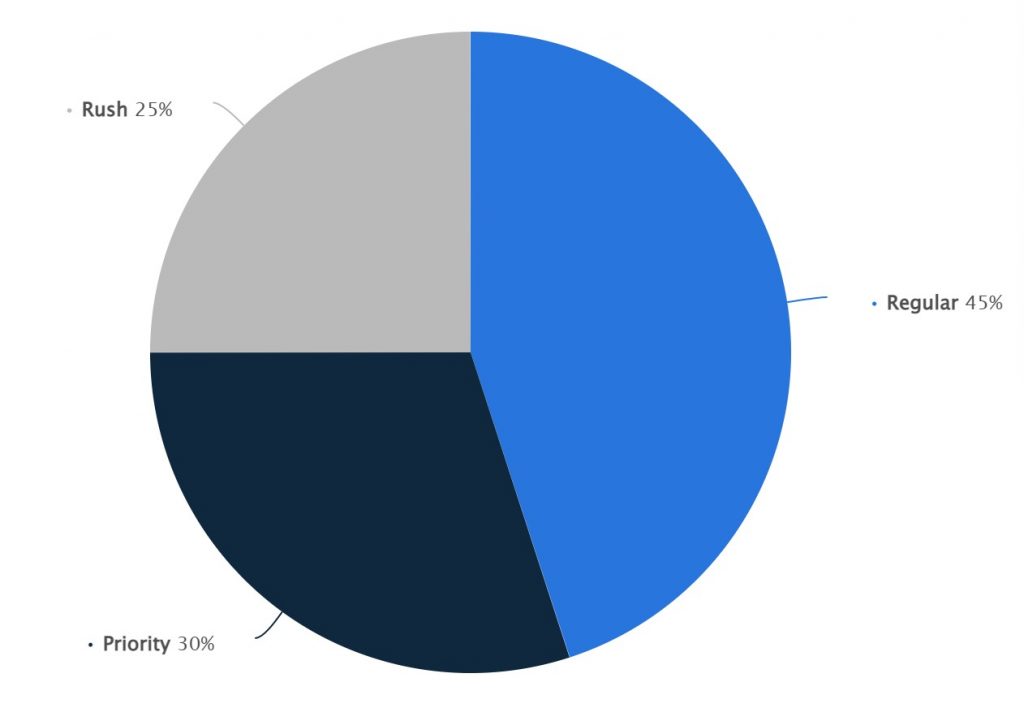
[caption id="attachment_35821" align="aligncenter" width="1024"]Package delivery options Choice Of Clients For The Kind Of Service[/caption]
Drivers and vehicles are the most expensive entities in a package delivery business. Delivery management software along with delivery schedule software can minimize the number of vehicles that is needed to serve all requests/deliveries.

Requests in the on demand delivery niche is usually quick responsiveness to be served within a geographical allocation in a dynamic situation.

The same vehicle can be allocated to multiple requests if and when the pick-up locations are in close proximity. Pick-up and delivery business need multiple solutions such as route optimization, real-time tracking, loading and unloading process optimization, and many such.

Strategies For Delivery Business

Choose your expenses and delivery strategies at the inception of your business. Strategies and costs that you adapt at the beginning will be the deciding factor for customers to choose you over your competitor.

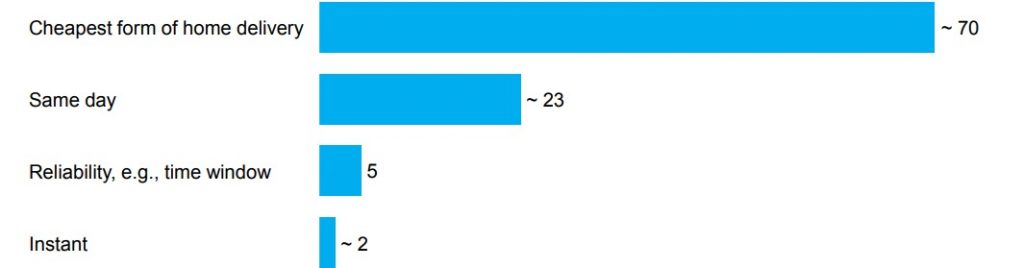
75% of online customers consider pricing in package delivery as the primal deciding factor.  65% may decide not to choose a particular package delivery business just because of their costing.

Clients also consider the time to delivery as another important factor. Package delivery business can be split into three main heads – picking, packaging, and shipping.

You may be having a wonderful system in place for the kind of load you are handling at present. But will you be able to scale within a day’s notice is the question. So it is imperative to be ready for such a situation, so rethink your strategy entirely – we elucidate below:

Invest In Relevant Technology

Use appropriate technology to make the package delivery business efficient and successful. Technologies such as route optimization and real-time tracking provides able delivery management solutions that can give ideal control to the management over the business.

Package Delivery Increase Over The Years

Most successful logistics services utilize barcodes, RFID, and routing software.

Have Various Pricing Models

Customers can come up with various requirements when it comes to package delivery. Hence it is imperative to have multiple pricing models based on size, weight and delivery timing. This will give the customers the necessary options to choose from. Now the customer feels that a fair price is being paid depending on their requirement.

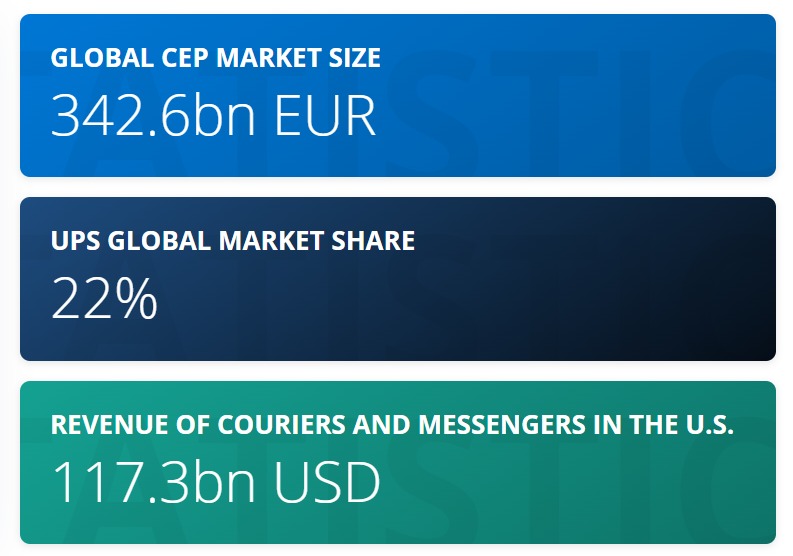
[caption id="attachment_35824" align="aligncenter" width="793"]Parcel, Courier, Express Info Courier - Express - Parcel[/caption]
Different alternatives in pricing and packaging empowers package delivery business to make their business model appealing to customers.

Have A Packaging Strategy

Packaging the parcel can also have a suitable influence on clients. Proper packaging not only protects the parcel throughout the delivery journey but will finally also show your professional attitude to your clients.

Creative packaging should be an integral part in a package delivery service as clients do give importance to this factor.

Keep Your clients In The Loop

Keeping the customer engaged with necessary information is imperative. One essential factor to keep up the brand image is the customer being aware of the whereabouts of his package at all times. Keep clients in the loop with information regarding the status of the parcel all through the journey is imperative.

Have a live chat provision for customers and update customers via notifications using SMS. Customer should be aware of the estimated time of delivery.

This is possible with real-time tracking which is a commendable strategy for customer retention.

Important To Offer Insurance

Unexpected events can happen at any time, during which the customer’s goods could get damaged. Therefore it is imperative to offer insurance as a recompense. Ensuring the safety of customer parcels will bring about trust in the service. This is especially useful when the cost of the goods is high.

[caption id="attachment_35825" align="aligncenter" width="1024"]Package delivery Choices Package Delivery Choices Opted By Clients[/caption]
Streamline The Packaging Process

Businesses do not have control over packages shapes or sizes. Therefore having a wide array of boxes of various sizes is important as it will reduce wastage. On the long run it will be economical as it will save space of the vehicle as well to load more goods.

Packaging the parcel in a manner that maximizes the number of packages loaded onto a delivery truck is important. This will prove to be beneficial on the long run as more number of deliveries can be handled in one trip.

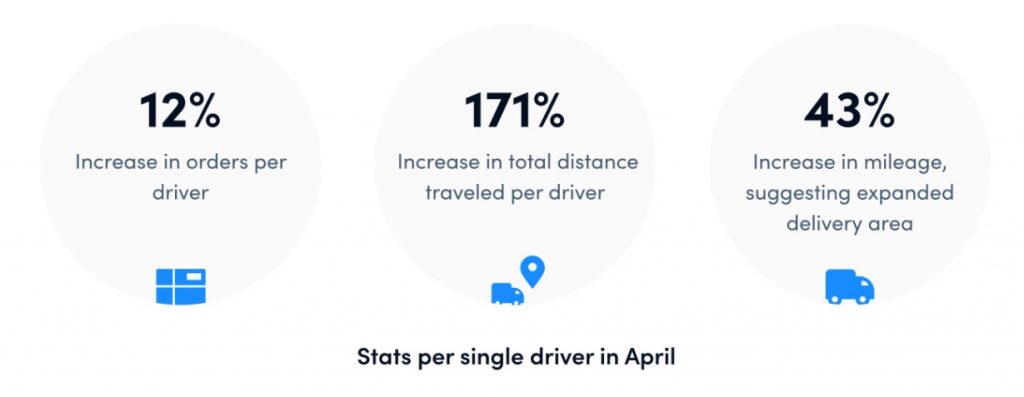
Package Delivery Stats

Managing Delivery Cost

Doorstep delivery is an accepted practice in the package delivery business domain. Fuel cost and transportation cost can be optimized using apt technology. The use of delivery management solutions will help in package delivery business to deliver very many packages by traveling just the required distance.

Route optimization is all about having to travel just the right amount of distance touching every client. In simplest terms it means discovering the shortest route considering factors such as vehicle capacity, number of drops, travel time, traffic conditions and in a cost-effective fashion.

Route optimization aids in monitoring and negotiating the best route of travel that would be beneficial to the delivery agent as well as be effective and efficient for the firm. This will increase operational efficiency.

Pricing

Keeping the package delivery rates as per the industry norms is imperative. Higher prices initially could have a detrimental effect on your business. After you have captured the market and reaped yourself a good reputation you can decide on higher pricing structure.

Having a clear breakup of prices will satisfy your clients to understand the pricing reasons.

These are vital strategies to ensure success in a package delivery business. Always keep a check on the strategies adopted by your competitors so as to adopt any best practices. Learn from others mistakes. Use the right tools and technology.

Don’t try to use pricing to eliminate the competition. Instead offer acceptable discounts and promotion to bring in more customers. Make sure to retain clients as 75% of business comes from loyal customers.

Courier Delivery Service

Providing efficient services and delightful experience is key to customer retention. Delivery Management Platforms will help you to succeed.

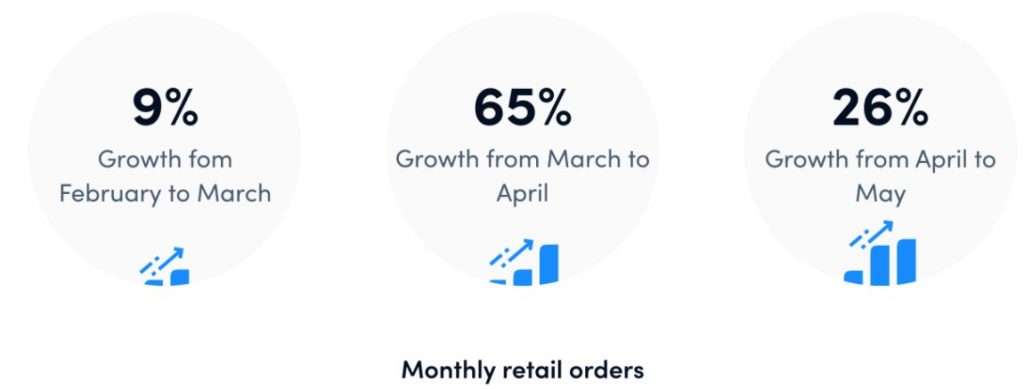
The delivery industry was one industry that boomed big during the Covid period. In the UK delivery business grew by 11% while other businesses struggled to stay afloat. This has only amplified competition by creating huge demands for package delivery apps.

Challenges In On Demand Delivery business

Real Time Vehicle Routing

One pressing issue is tracking of delivery requests. During a static situation, when requests are known before the route is finalized can be handled with élan. But it becomes challenging in a dynamic situation when request are placed in real-time. In such situations where requests become available in real-time, the routes have to be managed by constructing the route in real time too.

Routes would sometime have to be changed to serve new requests on the fly.

Vehicle Constraint

Usually, vehicles aren’t available for all deliveries or pickups in one day. The vehicle would have limitations like traffic issues, driver rest, refueling, and maintenance. This kind of constraints can be overcome by introducing a time frame for these possibilities.

Incidentally the time frame for delays due to vehicles can be clubbed under availability, on other jobs, under maintenance and many more depending upon the service.

Time Constraints

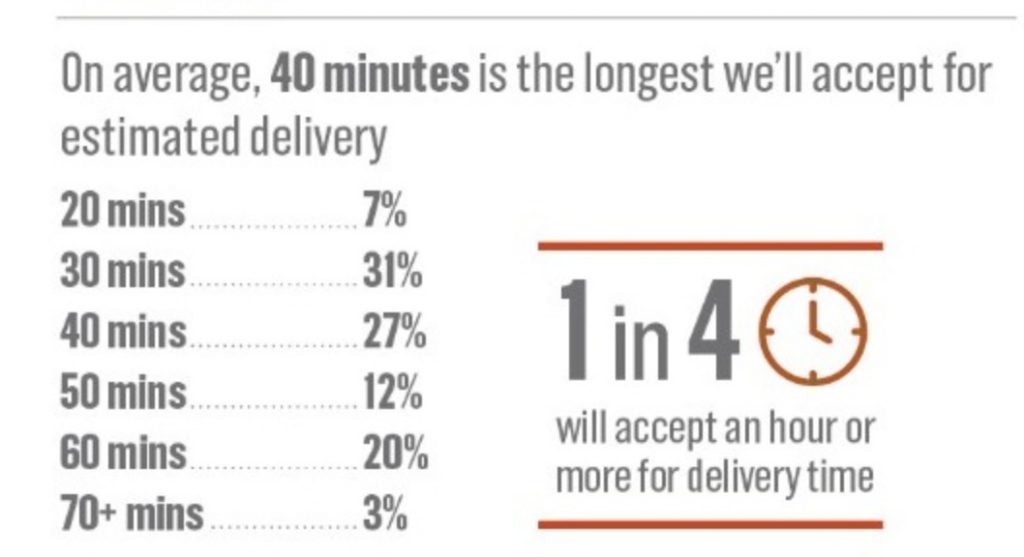
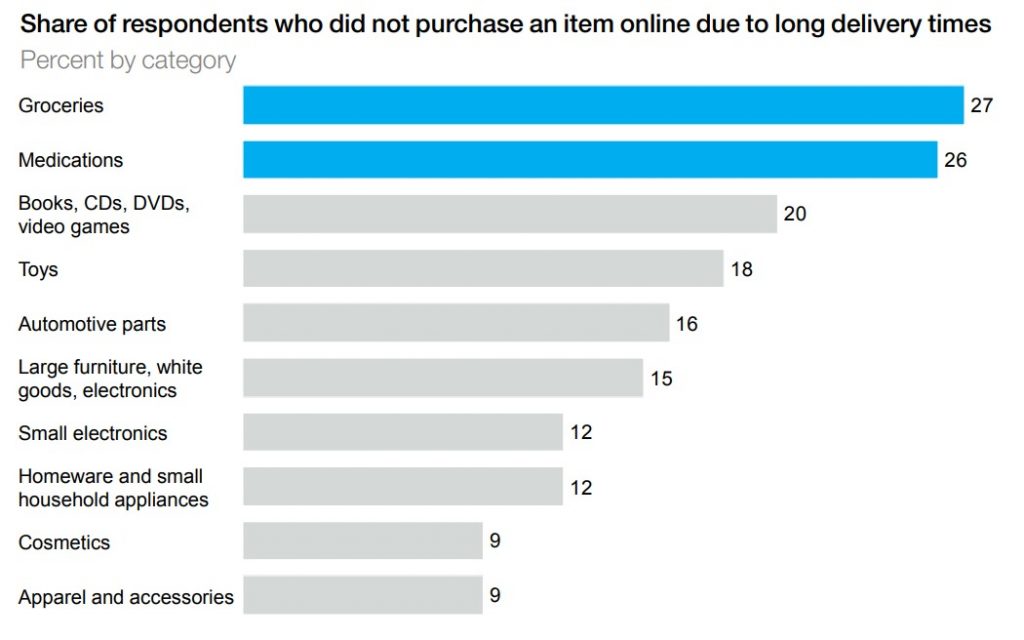
Time constraint could be a part of the vehicle routing algorithm. Timeliness has an important role in the on demand delivery business. 60% of surveyed have been particular that in delivery services such as food or grocery business timely delivery is imperative. 75% of consumers usually track their deliveries and say it is imperative to get their packages as per laid out schedule.

Optimization is the only acceptable solution where there are time constraints and this should be the result of proper planning.

Package Delivery Business


How A Mobile App Serves As A Brand Marketing Channel


A branded app is a wonderful approach to facilitate brand promotions in a cogent manner. A mobile app as a brand marketing channel gets you higher conversion rates and keeps users engaged.

Advertising was considered a prominent marketing channel to promote brands until the recent past. Rapid transformation in the digital landscape has made it imperative for brands to have a prominent mobile presence to succeed.

Mobile apps have time and again proved to be an effective marketing solution that not only assists firms to automate business processes but also ensure effective customer service.

Brands will find it easier to establish an enjoyable rapport with clients of all demographics and age groups with an app. It will also promote brand awareness and garner visibility.

Branding Marketing channel via apps

It has been noticed that 45% of customers who regularly use certain apps are more likely to buy from them. It is not too difficult to target mass audiences using available marketing channels. But targeting a narrow group, on individual basis based on their unique preferences is the need of the hour. And this is possible through apps.

Why Should Brands Should Go Online?

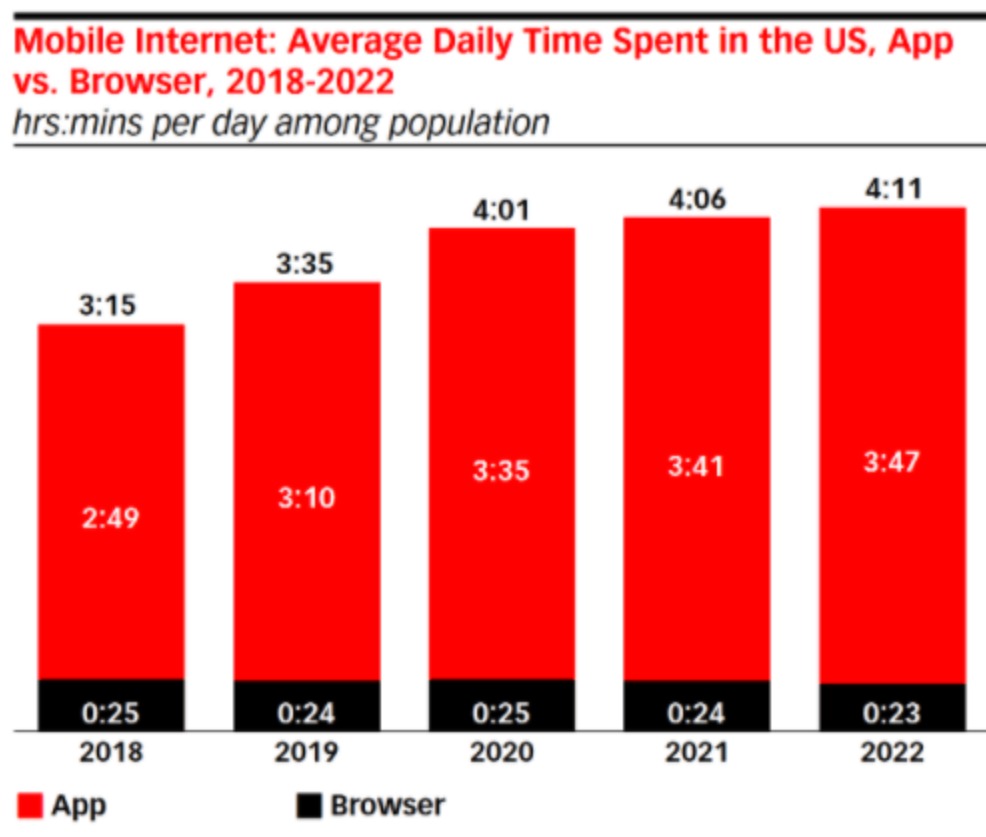
70% of mobiles are smartphones with net connectivity with people spending 90% of their time on apps. You can reach out to your target audience via apps as people have access to their devices most times.

Brands realize the potential of apps and how it can contribute in promoting and selling a service or a product. This has opened up new marketing avenues that provide businesses the opportunity to engage with their audience in novel and creative ways to enhance loyalty.

Apps downloaded

The flourishing of the mobile app industry is due to the humungous 7 billion mobile users worldwide. The dawn of disruptive technologies such as AI, AR and VR has opened new possibilities to market products.

AI permits mobile apps to store user data that can recognize and anticipate their preferences, needs and choices.

Mobile apps are powerful marketing tools for brands. Companies can engage users, connect with the audience, convey brand memoranda, and promote customer loyalty in a crowded marketplace. Brands prefer using mobile apps to improve offline experience of their clients and boost sales. Customers are influenced to engage via loyalty programs and rewards, and 72% of them do so.

Benefits Of Mobile Platforms As A Brand Marketing Channel

Mobile platforms humanize companies which lead to meaningful interactions between brands and customers, which in turn increases sales and loyalty.

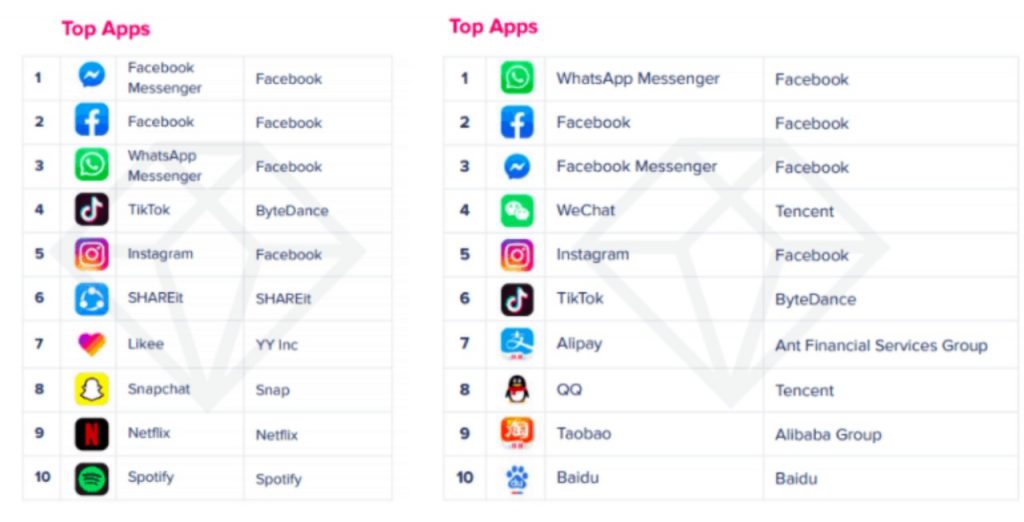
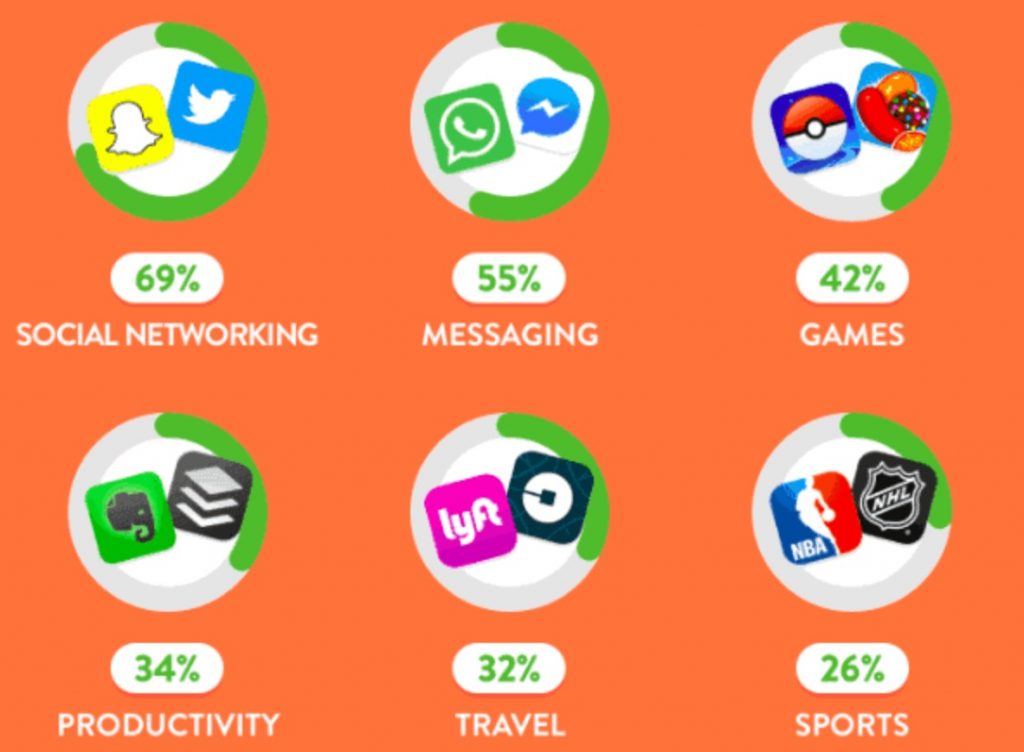
[caption id="attachment_35739" align="aligncenter" width="1024"]Category of apps Top Downloaded Apps & Most Monthly Active Users[/caption]
Enhancing Brand awareness and visibility

Businesses are in search of efficacious platforms to market their brands. Apps enhance brand awareness and visibility which indirectly increases customer base.

Users will notice a brand logo frequently when installed on their mobile, this in turn increases visibility and awareness. Once a user begins to interact with an app, there is a good probability that they will make a purchase or avail a service.

If you want to encourage word of mouth in your users, ensure to provide innovative features that audiences want.

Forming a connect with your Customers

Engagement is extremely crucial and a mobile app ensures a deeper connect with your customers and prospects.

With declining attention spans, it has become imperative to curate compelling personalized content and warrant your users come back.

An effective way to engage your users is to regularly offer them fresh personalized content. Users love content that is relatable and engrossing. In this rapidly changing environment, user preferences constantly vacillate. To establish yourself in the market, you need to keep up with them.

[caption id="attachment_35740" align="aligncenter" width="1024"]Most used category of apps The category of apps available[/caption]
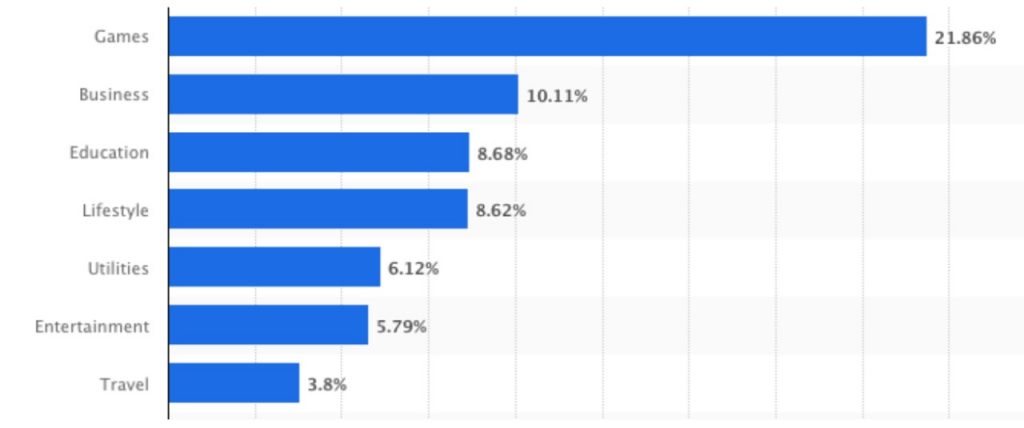
Regardless of the type of application, a brand must invest in tailored in-app content. One way to ensure that is by studying customer preferences to better understand the type of content that suits them best.

Push Notifications Advantage

Another effective strategy is push notifications. Push notifications have the clout to capture user attention and initiate them to checkout anything new available in your app. They encourage usage of apps. The key with push notifications is to make them interesting, innovative and compelling. A push notification must be valuable to the user as in: a promotion, a perk or an interesting offer. Don’t overdo the notifications and lose its credibility.

Collecting Data about Customers

Customers would be ready to share their data if an app solves their pain points. A good marketing strategy involves analyzing customer behavior.

Your mobile app is a brand marketing channel that can monitor users for their buying habits, engagement levels, browsing habits, visit locations, mobile app usage pattern, favorite hours and much more.

This will help you collect user perceptions, analyze data, fathom needs and improve your product.

You can collect user data in several ways:

  • By offering Bonuses: An ideal approach is to offer discounts, bonuses or freebies as a reward for completing a questionnaire.
  • In-app Behavior: Marketers can track the marketing process by monitoring user’s in-app behavior.
  • Via Interactions: It becomes easy to collect user data based on purchases or reviews.
  • Onboarding: While registration users can be prompted to fill a basic questionnaire with relevant information on age, sex, habits, preferences, and more.

This will help you evaluate data and tweak brand development strategy based on user feedback.

Always have a review/ feedback section to know what users feel regarding your app. Reiterating and improving a product will reap rewards.

Increasing Customer Loyalty

Loyalty rewards establishes a strong connect with users and increases their trust in the brand. A mobile app is an apt tool to enhance customer loyalty. Rewarding frequent customers is a proven marketing strategy. Reaping customer loyalty is a challenge for brands.

Rewarding frequent customers encourages them to buy more and will encourage them to share your brand via word of mouth. This strategy can implemented via push notifications or in-app messages.

Scaling up your target Audience

Mobile apps enhance the user base, not only in the country of origin but across the world.

[caption id="attachment_35741" align="aligncenter" width="1024"]Highest category of apps in use Category of apps that rule[/caption]
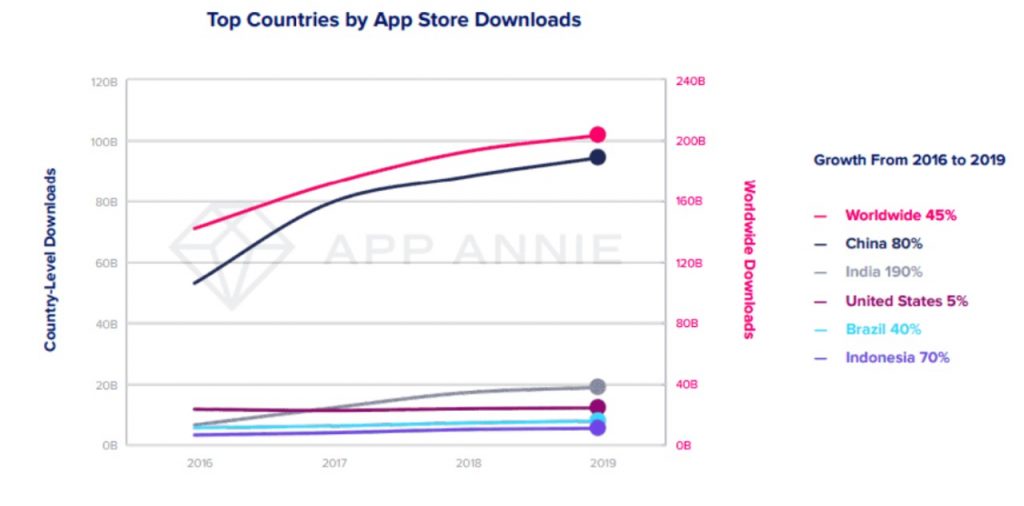
Using geo-targeted push notifications and location brands can send specific messages to their target users. Location based Call-To- Action via region or location mapping is personalized, grow the target audience and drive sales.

Increasing Sales Ratio

Applications enhance customer experience by making the buying process rudimentary, convenient and intuitive resulting in increase of sales ratio.

An app can boost sales not just by offering purchases, but also via loyalty programs and additional services.

Social Network Marketing through apps

Mobile connectivity is important and the ability to synchronize with social networks increases the opportunity to diffuse content and make it viral. Mobile apps make it possible for users to share the brand’s content across social networks.

Mistakes To Avoid While Making An App

The advantages of a mobile app for businesses are interminable. Sure, you can create a unique app and get users to download it but it doesn’t necessarily guarantee that the user will use it effectively.

25% apps downloaded by mobile app users worldwide are accessed only once after download.

Underlying reason why this happens is either poor UX or the focus is more novelty based rather than functionality. Common mistakes to be avoided while creating an app:

Not Solving Pain Points For Users

A branded app should solve user problems. Users will flock to it when the app provides value. Know your target audience is the ideal approach, study their needs and determine their expectations.

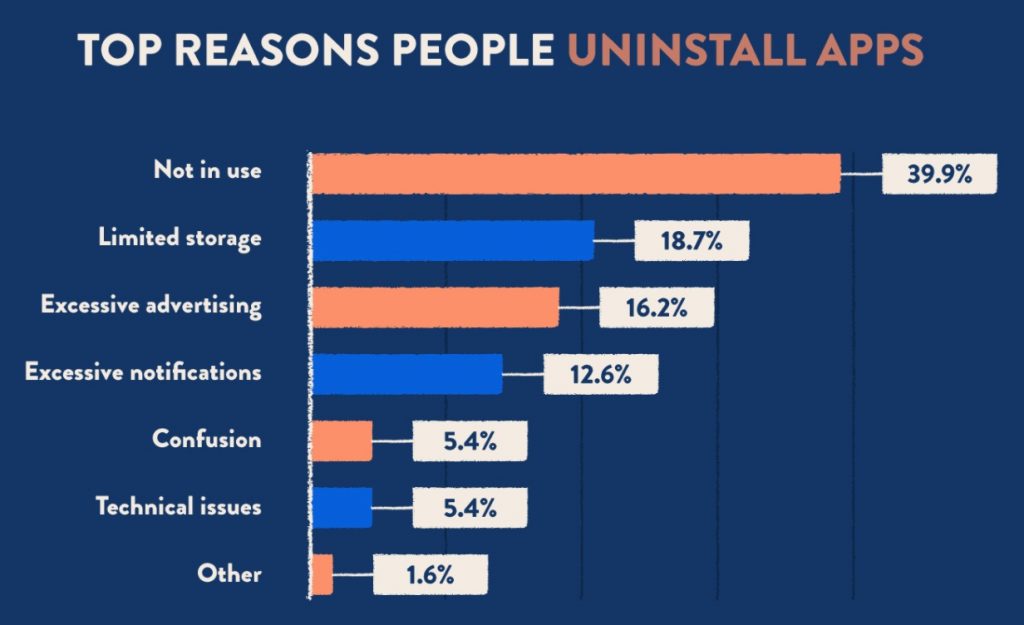
Why apps are uninstalled

Every app operates on a pain point and it is designed to solve a specific issue. If you only aim to place ads in client’s mobiles, you are just wasting your time and theirs.

Lacking Attractive Offers

Businesses should fathom reasons behind the creation of a branded application. Apps can enhance customer loyalty and create awareness. Customers could abandon an application if it doesn’t offer discounts, special offers and other usage benefits.

App Difficult To Perceive

The simplest way to identify a good app is how easy it is to use, convenience it offers and how intuitive it is. If the app is complicated to use regardless of the functionality it offers, it won’t appeal to large audiences.

Lack Of Regular Updates

It is essential to keep up with the rapid shifts in technology and implement it in your app at regular intervals. If you change your marketing strategy, website design or provide better branding, you must ensure enough resources to make the same updates on your app.

brand marketing channel using apps

Mimicking The Desktop Experience

If you treat the app as the miniature version of the website with similar features, you aren’t leveraging the app as a competent marketing channel.

A branded app should add more than uniqueness and provide pioneering features and information.

Excluding Personalized Features

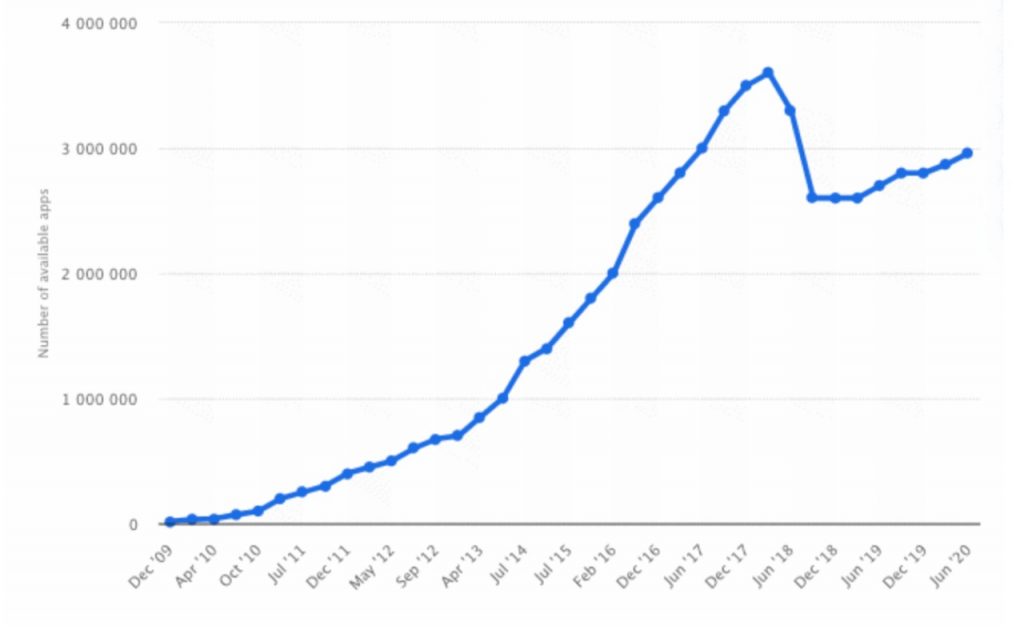
Today the number of apps that are available for use run into millions. Customers are spoilt for choice. Excessive options and short attention spans deems it necessary to provide clients with a personalized touch in your application.

Through a branded app you can target individuals based on their unique preferences and create an eternal relationship with your customer that will be win-win for both. Personalized push notifications can ensure you retain your users and convert them into loyal customers.

brand marketing channel


Super Apps in Latin America: Taking on The Competition


Messaging, delivery, shopping, and financial services – this was the route adopted by WeChat in China to galvanize into a super-app.

WeChat began functioning as a messaging app and began selling games. Deliberately they continued adding services until they broke into the retail sector. This transformed the platform into a marketplace for messaging and financial services.

It came to a point where you could manage your account, buy stuff, check prices, or buy in the physical realm than just sending and receiving messages.

The super apps WeChat and Alipay have turned into an integral part of the Chinese mobile ecosystem.

WeChat accounts for over 1 billion monthly active users (MAU) and Alipay a billion annual active users (AAU). Both offer a slew of services such as food delivery, bike sharing, financial services like payment, insurance and investments.

Chinese Super Apps Role Model For The Rest

WeChat Logo

Now, firms around the world have role models to replicate the success of Chinese apps in their region. Latin America has all the necessary constituents to nurture super apps such as a compelling and fertile region for the emergence of super apps due to its vast population of 650 million distributed in countries with similitudes in respect to language, culture and religion.

It also has a commendable mobile population with 64% owning smartphones.

Brazil is an attractive destination for super-apps due to the prospect of offering micropayments aiming the unbanked population. The most promising sectors according to the mavens for super apps should ideally include retail, health and mobility.

The COVID-19 pandemic pushed folks to engage with mobiles for food delivery and grocery shopping. People spent more time on their mobiles to keep themselves engaged due social distancing to avoid contagion. App downloads in Brazil grew by 25% during the pandemic. Food delivery applications increased 220%, and banking apps by 24%.

One of the pandemic’s outcomes is the rise of super apps in Latin America, which is basically proffering a large number of activities on the same platform. Magazine Luiza, Mercado Libre, WhatsApp, and Rappi are some of the region’s entities that are making beeline in this business model.

Alipay

The idea behind a super app is to enable users to use a single app for myriad needs. This affords convenience to the user to purchase a gamut of products and services easily. It also betters user experience as the consumer is pre-maturely well-versed with the app and it meets their tastes and preferences. For the company, it is serendipity as the user spends most of his/her time in the platform.

How Super Apps Spread Their Wings

Gojek

The inconceivable success of WeChat and Alipay emboldened many companies globe-over to emulate their model in different regions. Southeast Asia is one of the world’s first regions where super apps started appearing initially. The Singaporean ride-hailing Grab and the Indonesian Go-Jek have both raised billions to successfully thwart the expansion of Uber in their region.

They also succeeded in expanding their own portfolio of services beyond ride-hailing, food delivery, services, social media, payments and novae services.

It is interesting to note that not all super apps rise from analogous backgrounds. Alipay rose out of ecommerce and is focusing more on financial services. While WeChat had messaging as their pedestal before expanding into financial services. WeChat then went on to add services such as ecommerce, gaming, travel and other domains.

Grab

Go-Jek and Grab began with ride-hailing and then added delivery before embracing financial services. While payTM started as a prepaid recharge platform and then moved on to offer a range of financial and daily services.

What Can Turn On Latin America?

Latin American super apps should develop themselves in a manner that is conducive to their environment which is way different from China.

The app ecosystem in the region is highly influenced by US and European firms that dominate domains such as communication, music, search and several others. It is difficult for local start-ups to compete in such niches. However, there are few battlefields that are difficult to domineer remotely such as ride-hailing, food delivery and finance.

Those are highly regulated industries that require on-the-ground approach. They are also nearly impossible to scale across nations. Those are precisely the industries where we see the emergence of super apps. This would be fueled by exceptional amount of venture capital investment.

Rappi

Rappi super app logo

The most prominent contender to garner super app status in the LATAM region is the Colombian on-demand delivery application Rappi. This is a highly funded start-up in Latin America that is backed the likes of SoftBank, Sequoia, and Andreessen Horowitz.

Rappi at inception began offering food delivery and now provides a host of services such as payments, electric scooters, P2P transfer, movie tickets and a debit card. They have their operations in relevant countries such as Peru, Brazil, Colombia, Mexico, Argentina, Uruguay and Chile.

Other Competitors In The Race

Mercado Libre (MELI)

Mercado logo

Another strong candidate is hulk Mercado Libre (MELI) with Mercado Pago occupying the financial faction in ecommerce. They began by enabling payments between users in the marketplace. Then they went on to offer financial services such as bill payments - online and offline, and investment (through its Mercado Fondo).

Thanks to their antecedents, they are pretty much all over Latin America, and process around 400 million transactions yearly.

Movile

iFood from Movile super apps in latin america

The Brazilian Movile is also positioning itself as an able competitor in Latin America. Having operations within Brazil, Mexico, Colombia and Argentina, they deal with a diverse portfolio of services such as food delivery, ticket for events, courier and Netflix for kids.

They have raised $395 million investment as of now and their subsidiary iFood raised a total of $592 million.

Cabify

Cabify

The Spanish Cabify is also in the chase to position itself as a super app. It recently started to offer bike service, e-scooters, deliveries and financial services through its own fintech company, Lana. But Cabify will have to diversify their portfolio to gain Super App status even though they raised $477 million. Foraying into ride-hailing is a good move but the competition is getting crowded in the region.

Uber and Didi are worthy competitors who are adding fascinating services and positioning themselves for growth.

Nubank

Nubank

Nubank would be an interesting contestant as it already has more than 8 million customers in their fold in Brazil.  This Brazilian decacorn (firms with $10 billion valuation) is beginning to multiply operations into Mexico, Argentina and Colombia. Nubank offers only traditional financial services but has Tencent as a significant investor and having raised US$1.1 billion till date could help them in the long run.

It wouldn’t come as a surprise if they tend to follow the well-beaten path as plotted by WeChat.

Banco Inter

Banco Inter

Banco Inter, also from Brazil recently launched a marketplace to expand its offerings beyond financial services into ecommerce, travel and more. The bank is a public company with $7 billion valuation that is now backed by SoftBank after its latest share offer.

MagaLu

Magalu logo

There are other players too who could spring a surprise, such as Magazine Luiza, leading retail and ecommerce in Brazil. They are transforming themselves from a brick-and-mortar retail store to a tech-backed company. They have already proved their intent to transform MagaLu (its app) into a super app by scheduling many other services.

Although they could make some headway in the Brazilian market, there are doubts if they have to clout to transform into a regional player as the primary business operations cover only Brazil.

These are the well-positioned candidates aiming to be super apps in Latin America.

Super apps in Latin America will not mimic their Chinese counterparts

Even we are seeing the rise of the super apps in Latin America, rest assured they will not chart the Chinese route as the markets there are quite different. A better comparison could be with the Southeast Asian players as the markets are much similar.

However Latin American’s super apps will probably be the ramification of the unique environment that belongs to that region.

As more companies are looking and studying the Chinese success stories to take inspiration, we will probably see even more players competing to become super apps in Latin America. The venture capitalists seem to fathom on whom to place their bets regarding those with the necessary DNA to win the race to gain super app status in Latin America.

One thing is certain: It will be exhilarating to see how the market unfolds, but the writing’s on the wall — the customer will be the true winner in this battle.

Super apps in Latin America